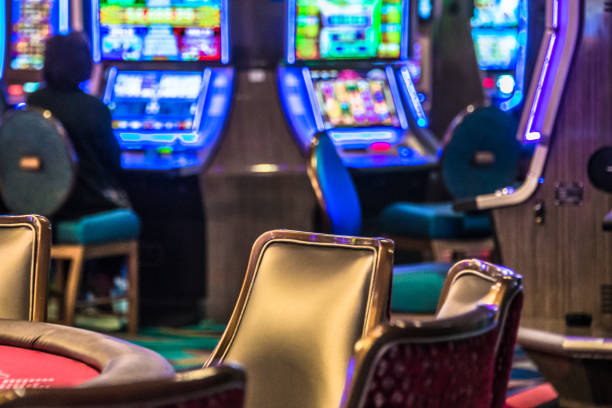


The Role of Luck in Gambling
Luck plays a fundamental role in gambling, particularly in casino environments. Most casino games, such as slots, roulette, and baccarat, are designed to operate on chance, meaning that the outcome is largely unpredictable. While players may employ strategies or techniques hoping to sway fortune in their favor, the inherent randomness of these games often leaves them at the mercy of luck. For those looking for options with quick payouts, the ontario casino fast withdrawal feature can enhance the experience even further. This element of chance can be both thrilling and terrifying, leading to the exhilaration of potential wins and the agony of unexpected losses. The very nature of these games feeds into the excitement, drawing players into a whirlwind of anticipation as they wait for the results of each spin or flip.
The psychological aspect of luck in casinos is fascinating; players often attribute wins to their own skill or strategy while downplaying losses as mere bad luck. This cognitive bias can enhance the gambling experience, as players continue to believe that their next big win is just around the corner. However, it’s essential to recognize that, in most casino games, the odds are structured to favor the house, meaning that players are statistically more likely to lose over time. Understanding the nature of chance can help individuals navigate their gambling habits more responsibly. For instance, a player might win a few rounds and leave feeling triumphant, only to return later with a misplaced confidence that luck will continue to shine favorably upon them.
Furthermore, many gamblers tend to fall into the trap of superstitious beliefs. Rituals such as wearing lucky clothing or following specific routines before playing are common practices. While these behaviors do not influence the inherent randomness of the games, they can provide players with a sense of control amidst the chaotic nature of chance. Ultimately, while luck undeniably plays a critical role in casinos, it is essential to maintain a balanced perspective, acknowledging both its allure and its pitfalls. Players must learn to distinguish between the real odds of winning and the psychological comfort that superstitions can provide, ensuring that their gambling remains an entertaining activity rather than a source of stress.
The House Edge: Understanding Odds
The house edge is an intrinsic concept in casinos that illustrates how luck and chance interplay with probability. The term refers to the statistical advantage that the casino holds over players in any given game, ensuring the establishment profits over time. In most cases, the house edge is built into the rules of the game, creating a scenario where players face unfavorable odds regardless of their skill level or strategies employed. Understanding this concept is vital for anyone looking to gamble responsibly. For example, in a game like baccarat, the house edge can be as low as 1.06%, while in many slot machines, it can rise to 15% or more, significantly impacting a player’s long-term outcomes.
The house edge varies between different games, creating a diverse landscape of potential outcomes. For instance, in blackjack, skilled players can reduce the house edge through optimal strategies, but it still remains. Conversely, games like slot machines generally have much higher house edges, which can significantly diminish the player’s chances of winning. This disparity underscores the significance of understanding the odds when engaging in casino activities, affirming that while luck is a factor, it is often overshadowed by the mathematical realities embedded within games. Knowing the odds helps players set realistic expectations and can lead to more enjoyable experiences rather than discouragement when faced with losses.
Moreover, the house edge has implications beyond individual gameplay. It shapes the overall gambling experience, affecting how casinos design their games and attract customers. Many establishments use enticing visuals and immersive environments to divert attention from the mathematical realities of their games. Consequently, while players might feel they have a chance to win, the house edge continually reminds them that, in the long run, luck often favors the house. Players must keep this in mind to ensure they approach gambling as a form of entertainment rather than a reliable source of income. This understanding is vital in cultivating a healthy relationship with gambling, ultimately allowing individuals to enjoy their time in the casino without unrealistic expectations.
The Influence of Skill in Certain Games
While many casino games primarily rely on chance, certain games allow for a degree of skill that can influence outcomes. Table games like poker and blackjack are examples where player decisions can affect the result. In poker, a player’s ability to read opponents and make strategic bets can lead to significant wins. However, it is crucial to note that even in these instances, luck still plays a role; the cards dealt can ultimately determine the outcome, regardless of how well a player maneuvers through the game. This blending of skill and chance creates a unique atmosphere where strategic thinking can lead to higher chances of success, yet it never completely removes the unpredictability that luck brings.
Similarly, blackjack offers opportunities for skill-based strategies such as card counting, which can shift the odds in a player’s favor. Although card counting does not eliminate the house edge altogether, it can reduce it significantly. This interplay between skill and luck in games like poker and blackjack presents an intriguing dynamic, prompting players to develop their skills while still acknowledging the unpredictable nature of the game. Players who focus solely on skill without factoring in the luck element may find themselves falling short when faced with bad cards or unexpected outcomes.
Despite the opportunities for skill in certain games, many players often overestimate their influence, believing that expertise guarantees consistent success. This miscalculation can lead to reckless gambling behavior, as players may wager more than they can afford, mistakenly thinking their skills will mitigate losses. Hence, while skill can enhance a player’s experience and outcomes in specific games, it must be approached with caution, as luck continues to be an unpredictable factor in the casino environment. A well-rounded understanding of both skill and chance can lead to more sustainable gambling practices, allowing players to engage more thoughtfully with their gameplay.
The Psychological Impact of Casinos
Beyond the mechanics of games, the psychological environment of a casino can significantly impact how players perceive luck and chance. The ambiance is designed to create a thrilling yet tense atmosphere, encouraging players to embrace the randomness inherent in gambling. Elements such as flashing lights, vibrant colors, and upbeat sounds serve to enhance excitement, often drowning out logical reason—players become more susceptible to the allure of luck, forgetting the inherent risks involved. This sensory overload can create an immersive experience that heightens emotions, leading players to react impulsively rather than thoughtfully.
Furthermore, casinos employ various marketing techniques that play on the psychology of luck. Promotions, jackpots, and loyalty programs all contribute to creating a perception of frequent wins, which can reinforce a player’s belief in their ability to beat the odds. This reinforcement can lead to compulsive behaviors where individuals chase losses or continue to gamble in hopes of replicating perceived successes. Understanding these psychological triggers is crucial for players to maintain control over their gambling habits and make informed decisions. By recognizing the impact of marketing and environmental cues, players can better assess their motives and intentions when choosing to gamble.
In addition, the social aspect of gambling cannot be overlooked. The presence of other players can create a collective belief in luck, leading to shared experiences during gameplay. This camaraderie can amplify the highs of winning and the lows of losing, further entrenching players in the cycle of chance. Consequently, the psychological dynamics at play within casinos suggest that while luck is a pivotal factor, the environment itself contributes significantly to how players engage with the concepts of chance and probability. These social interactions can foster a sense of community but can also lead to unhealthy competition or groupthink, where individuals feel pressured to continue betting beyond their means.
Exploring Responsible Gambling Practices
Given the nature of luck in casinos and its psychological ramifications, embracing responsible gambling practices is essential for maintaining a healthy relationship with gaming. Players should start by establishing strict budgets and only gambling what they can afford to lose. This practice not only minimizes financial risk but also helps to cultivate a more enjoyable gambling experience. Setting limits on time spent in casinos is equally important, allowing individuals to recognize when it’s time to step away and prevent compulsive behavior. By adhering to a well-defined budget and timeframe, players can enjoy the thrill of gaming without falling into the trap of excessive gambling.
Additionally, educating oneself about the odds and house edges of various games can empower players to make informed decisions. Understanding the mechanics of games helps mitigate the illusion of control that can come from winning streaks, reminding individuals that luck is ultimately unpredictable. By fostering a learning mindset, players can engage with games more responsibly and appreciate the entertainment value without falling into the trap of excessive gambling. Knowledge is a powerful tool in navigating the casino landscape, allowing players to confront the realities of chance with greater clarity.
Moreover, utilizing resources such as support groups or counseling services can provide valuable assistance for those struggling with gambling addiction. Many organizations offer tools and strategies for managing gambling behaviors, enabling individuals to regain control over their actions. By prioritizing responsible gambling practices and recognizing the influence of luck, players can enjoy the excitement of casinos without compromising their well-being. Ultimately, a commitment to responsible gambling can transform how players approach their time in casinos, fostering an environment that values enjoyment and moderation over unrestrained pursuit of luck.