

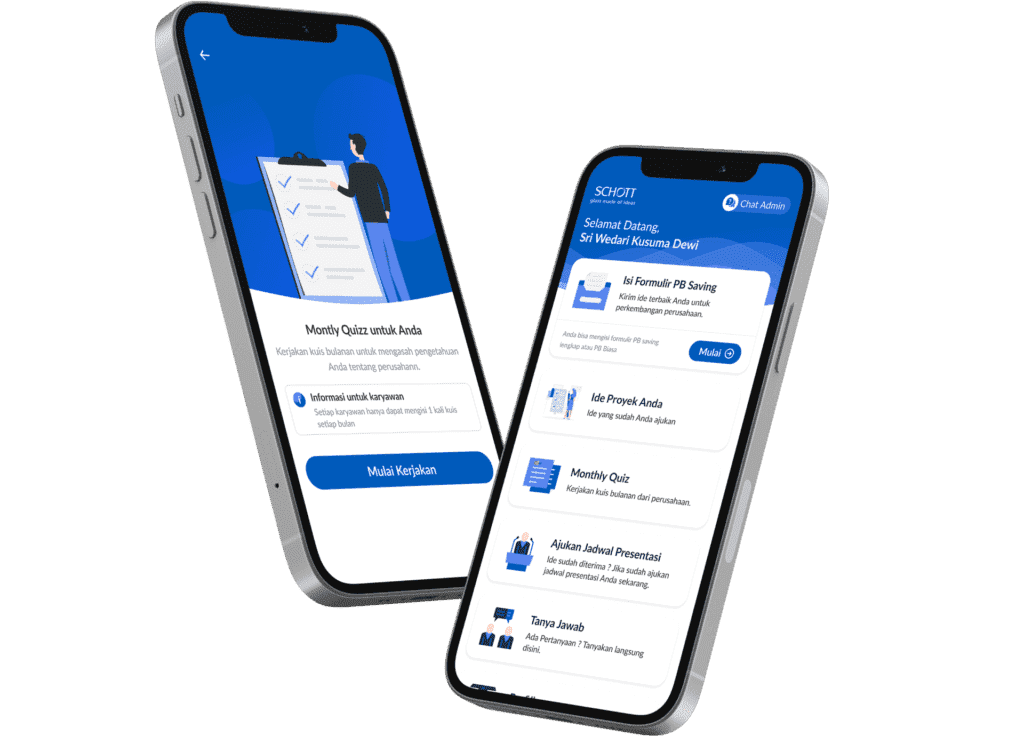
The Subtle Art of Intuitive Design
When we first encounter a new digital platform, our expectations often lean toward a steep learning curve. Yet, some experiences defy that notion, offering an interface so natural that exploring it feels organic from the very first interaction. This phenomenon, especially prevalent in contemporary user interfaces, is a testament to thoughtful design principles prioritizing user comfort and efficiency.
Take, for instance, recent trends in mobile applications and web services where navigation feels almost second nature. Features like clearly labeled menus, responsive layouts, and predictable feedback mechanisms contribute to this seamless experience. In fact, many of these platforms are refined using data from millions of users, allowing designers to tweak details that make a big difference in overall usability. Sometimes, a simple link tucked within a help section can guide users effortlessly to their next step, like https://google.com/, where the path forward feels obvious without intrusive prompts.
How Familiar Patterns Guide Our Actions
We rely heavily on familiarity when navigating digital spaces. The rise of standard iconography—such as the hamburger menu or the magnifying glass for search—helps users anticipate functionality without extensive trial and error. This predictability is not mere coincidence; it’s a product of years of convergent design practices and user feedback loops.
Consider platforms powered by companies like Google or Apple, whose design languages have influenced countless apps globally. The consistency in their interfaces ensures that whether you are booking a ride or streaming music, the gestures and controls feel natural. The introduction of adaptive technologies, such as touch ID or facial recognition, further simplifies interaction by reducing the need for repetitive input, making digital journeys smoother.
Practical Tips for Navigating New Platforms
So how can users make the most of an unfamiliar interface without frustration? Here are a few straightforward strategies that can enhance your experience:
- Start with the main menu or dashboard to get an overview of available options.
- Look for common icons or labels—these often point to core functions.
- Use search features to jump directly to what you need.
- Check for tooltips or brief tutorials that many platforms offer on first use.
- Don’t hesitate to explore settings to customize the interface to your liking.
From my perspective, taking a moment to familiarize yourself with these elements can turn what seems complex into something manageable. After all, most modern apps are designed with the assumption that users appreciate speed and clarity over clutter.
Balancing Innovation with User Expectations
While innovation drives the tech world forward, it often walks a fine line with user expectations. Introducing new gestures, layouts, or visual elements can either delight or confuse. This is why many applications roll out updates gradually or offer “classic” modes. An example can be found in interfaces that use motion sensors for navigation—an exciting concept but one that may challenge those accustomed to traditional taps and clicks.
Regulatory frameworks and security technologies also play a role in shaping these experiences. Features like SSL encryption and biometric authentication not only protect users but add layers of interaction that must be intuitive to avoid frustration. Striking this balance is an ongoing challenge for designers, especially as accessibility standards continue to evolve.
What to Remember When Facing New Interfaces
Ultimately, the ease with which we navigate a new platform hinges on how well the design anticipates our needs and habits. When done right, it doesn’t demand conscious effort—navigation becomes almost invisible, allowing users to focus on their tasks instead of the tools themselves.
It’s also worth noting that responsible use of any digital service includes awareness of privacy and security settings, especially on platforms handling sensitive data or communications. Taking a proactive approach to managing your digital footprint is as important now as learning where to click next.
Has navigating a fresh interface ever surprised you with its simplicity? That initial comfort often signals a well-crafted system built around the user, not the technology. As this trend continues, our digital interactions are set to become even more fluid and gratifying.
For those curious to explore these concepts further, there’s a wealth of information available, and sometimes just a few clicks on sites like https://google.com/ can reveal a surprisingly intuitive journey.